
In short
- Obstetrician and gynaecologists look after women’s reproductive health, pregnancy and birth.
- Heavy or painful periods, contraception and menopause questions can often start with a conversation.
- Pelvic examinations, ultrasound and cervical screening have to happen in person.
- Sudden, intense tummy pain with dizziness in possible pregnancy is an emergency: call 998.
Why people book
- Periods: heavy, painful or irregular bleeding, or bleeding between periods or after sex.
- Infections and discomfort: itching, soreness or unusual discharge, especially if it keeps coming back.
- Contraception: understanding the options and which might suit you.
- Pain: pelvic pain that does not go away. WHO lists severe period pain, heavy bleeding and chronic pelvic pain among the symptoms of endometriosis.
- Life stages: planning a pregnancy, questions during pregnancy, and perimenopause and menopause.
What a video visit can and cannot do
A lot of gynaecology begins with a detailed history, which works well on a private call. The doctor can ask about your cycle, explain what might be going on and advise on next steps. The DHA telehealth standard includes contraception and period pain among the common uses of teleprescribing, where the doctor considers it appropriate.
Examination is different. You cannot have a pelvic examination, an ultrasound or a cervical screening test by video. WHO notes that cervical cancer is largely preventable through HPV vaccination and regular screening, so a video visit should not replace routine screening. If your symptoms need examining, the doctor will tell you where to go.
Preparing without embarrassment
Your doctor will ask personal questions because the answers change what they advise. It helps to have these ready:
- The date your last period started, and how long your cycle usually lasts. A period tracking app is handy here.
- How often you change pads or tampons on your heaviest days, and whether you pass clots.
- Your contraception, any chance you could be pregnant and any previous pregnancies.
- Your most recent cervical screening date and result.
- A private room, and headphones if other people are at home.
If you would like a female doctor, check the doctor’s profile before you book. If you see someone in person, you can usually ask for a nurse or family member to be in the room.
Symptoms that cannot wait
Call 998 or go to an emergency department straight away for a sharp, sudden and intense pain in your tummy with dizziness or fainting, feeling sick or looking very pale. If you could be pregnant, these can be signs of a ruptured ectopic pregnancy, which can be life threatening.
Tummy pain low down on one side, vaginal bleeding or pain in the tip of the shoulder in possible pregnancy also needs urgent medical advice, even if a home test was negative.
Who provides your care
A married woman signs her own consent. For procedures or treatments related to reproductive health, the DHA Guidelines for Patient Consent also make the consent of her husband (first priority) or her legal guardian mandatory. Your facility will tell you what it needs. You can read our informed consent template.
Gynaecologists on medicAI practise at independent clinics and hospitals licensed by DHA or DoH. They make the clinical decisions, and medicAI provides the app. You can browse doctors and see each profile’s specialty and fee before you book.
Gynaecology doctors on medicAI
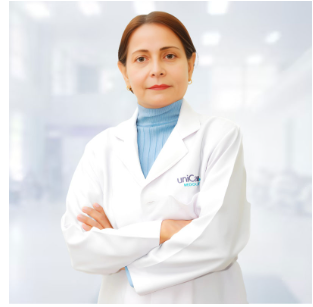 Dr Jaimala Shukla, Specialist Obstetrics and GynecologyObstetrics & Gynecology (OB/GYN)
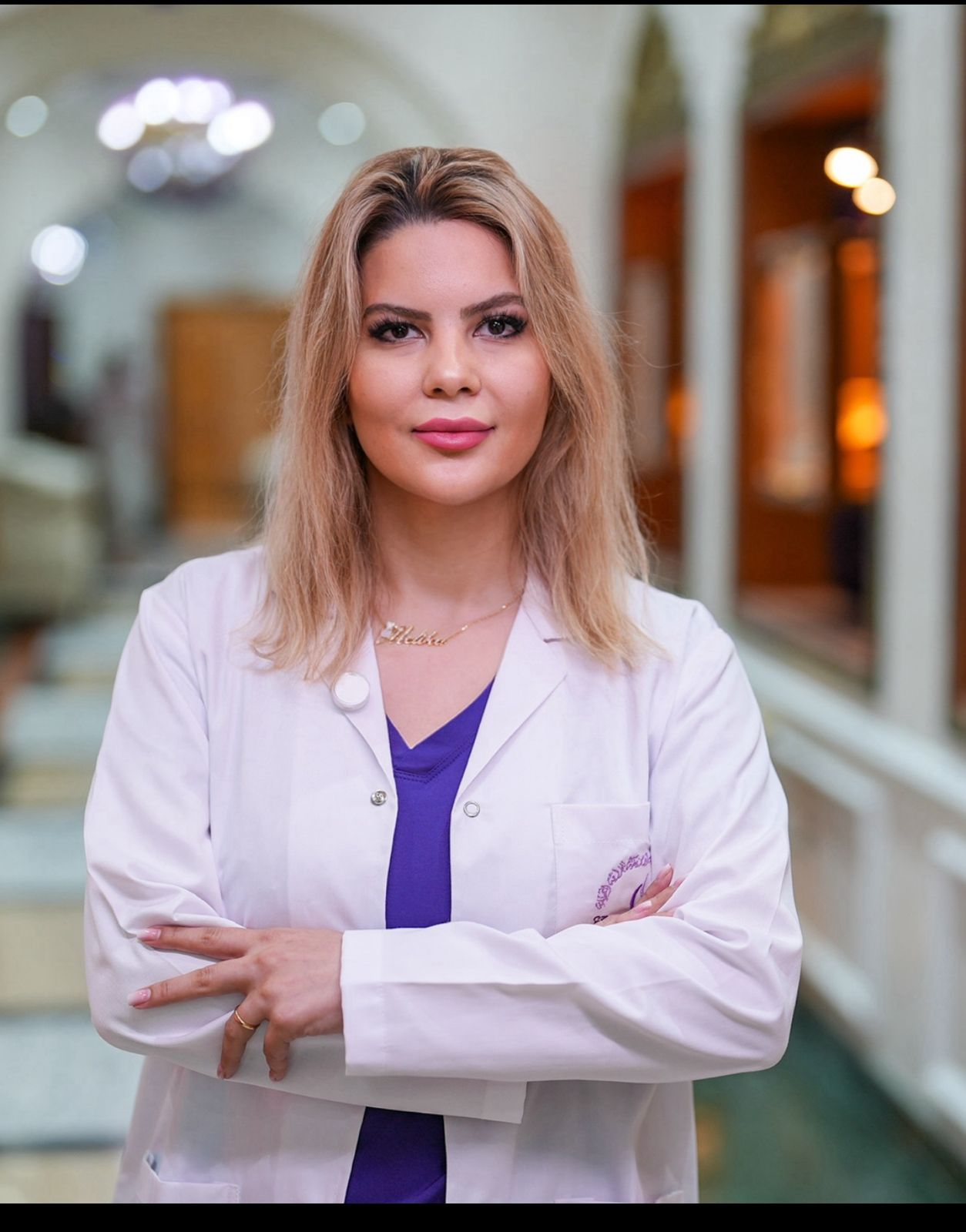 Melikka Assefi, Gynecologist, American Academy of cosmetic surgery hospitalObstetrics & Gynecology (OB/GYN)
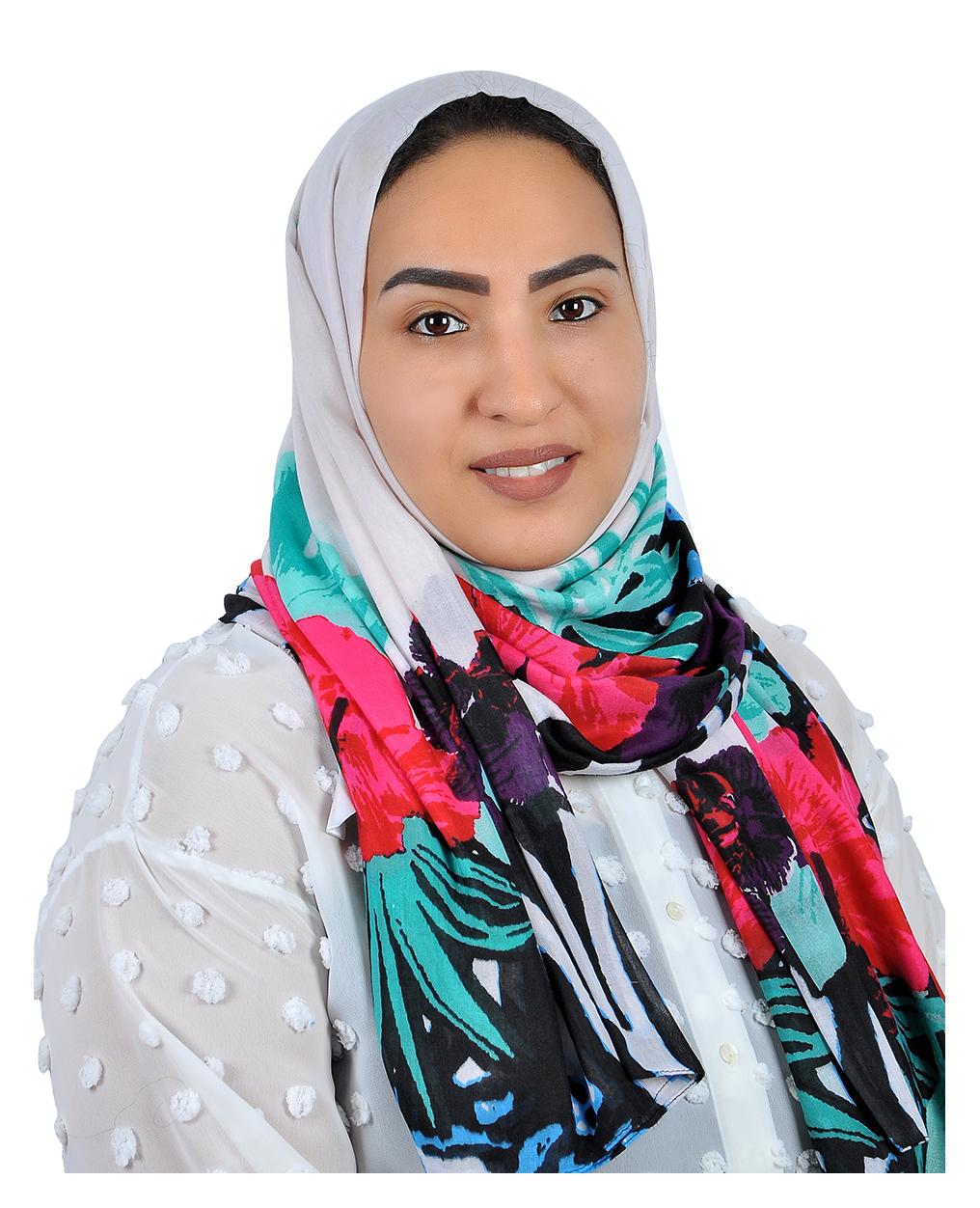 Hiba Mahmoud Abdelrahim Ahmed, Obstetrics & Gynecology, DCDCObstetrics & Gynecology (OB/GYN)
 Maria Ramirez Aristondo, Specialist - Obstetrics and Gynecology, DCDCObstetrics & Gynecology (OB/GYN)
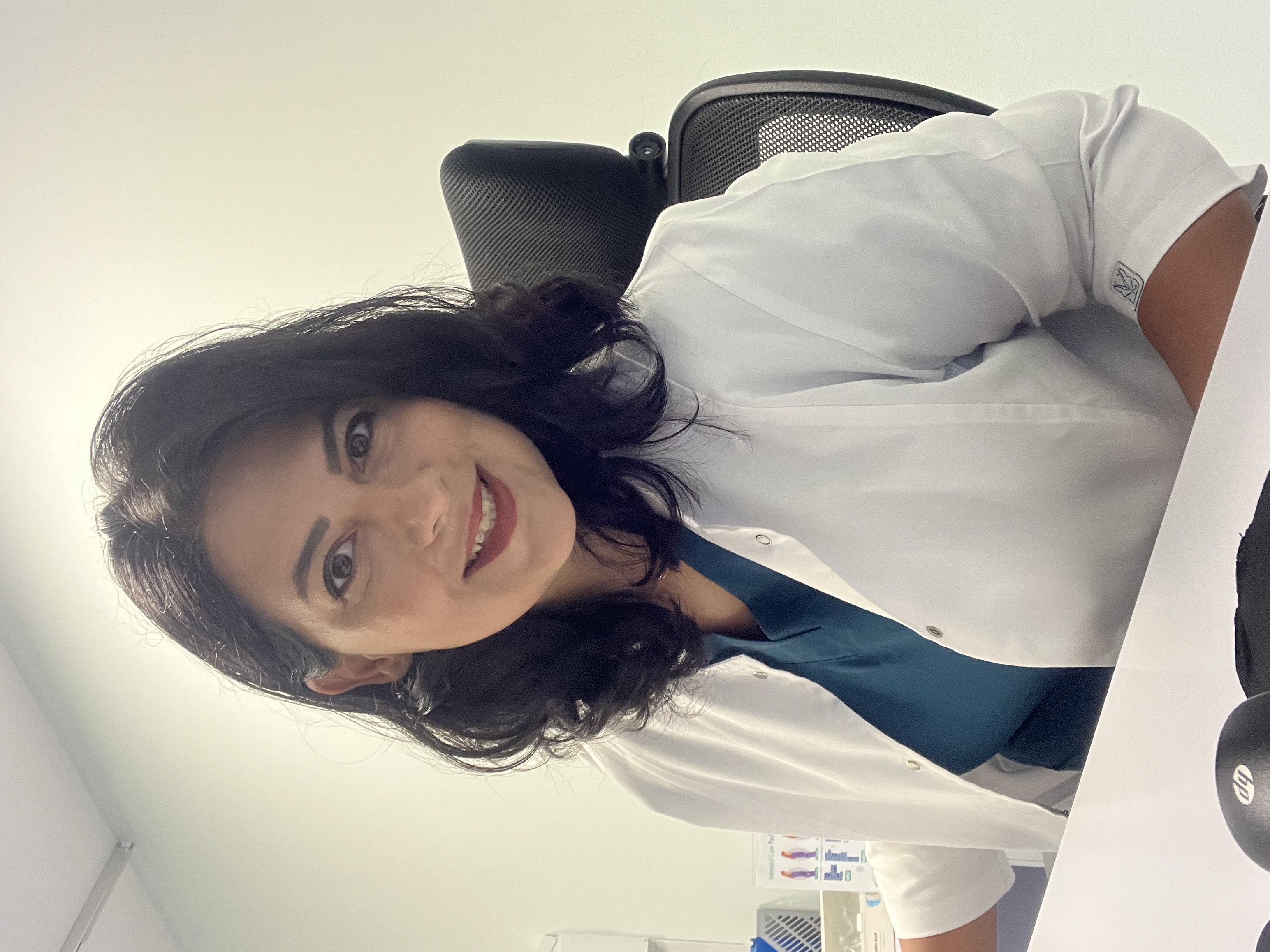 Parisa Dini, Obstetrics & Gynecology, DCDCObstetrics & Gynecology (OB/GYN)
These doctors work with independent licensed facilities. See all doctors.
Questions people ask
Can a gynaecologist diagnose me over video?
A doctor may be able to suggest a likely cause from your history, but many gynaecological conditions need an examination, a scan or a laboratory test before anyone can be sure. The doctor will tell you if you need to be seen in person.
Are heavy periods a reason to see a doctor?
Heavy periods can be normal for you, but see a doctor if they affect your daily life, if you have severe pain, if you bleed between periods or after sex, or if you feel tired or short of breath a lot.
Is the consultation private?
Consultations are confidential, and both DHA and DoH expect licensed providers to protect patient information. You should still take the call somewhere you will not be overheard.
Sources and further reading
- Heavy periods (NHS)
- Ectopic pregnancy (NHS)
- Thrush in men and women (NHS)
- Endometriosis (WHO)
- Cervical cancer (WHO)
- Your First Gynecologic Visit (ACOG)
- Standards for Telehealth Services, Version 4 (DHA)
Read next
medicAI is not for emergencies. If someone is seriously ill or injured, call 998 or go to the nearest hospital.
This page is general information. It does not replace advice from a doctor who knows your situation. medicAI is a technology platform. Care is given by independent licensed facilities, who are responsible for it and for its outcome.