In short
- Anxiety and stress can cause physical symptoms, such as a racing heart, headaches and stomach problems, as well as worry.
- A panic attack usually lasts 5 to 20 minutes. It can be frightening, but it is not dangerous.
- Talking to someone, regular exercise, breathing exercises, sleep and cutting down on caffeine and alcohol can help.
- Talking therapy is well suited to video, and you do not need a diagnosis to book.
- If you or someone you know needs immediate help, or someone has seriously harmed themselves, call 998.
What anxiety and stress can feel like
The NHS describes stress as usually a reaction to mental or emotional pressure. When you feel anxious or scared, your body releases stress hormones such as adrenaline and cortisol, which can cause a faster heartbeat and sweating. Common pressures include work, family and relationships, money and health, and even happy events such as a wedding or a new baby.
| In your body | In your mind | In what you do |
|---|---|---|
| Faster or more noticeable heartbeat | Feeling tense, nervous or unable to relax | Avoiding places or people |
| Headaches, dizziness, muscle tension | Constant worrying, fearing the worst | Sleeping or eating too much or too little |
| Stomach problems, sweating, breathlessness | Difficulty concentrating or making decisions | Drinking or smoking more |
If you feel anxious most of the time about lots of different things, and it affects your everyday life, it may be generalised anxiety disorder (GAD). A panic attack brings sudden, intense fear with a racing heartbeat, feeling faint, trembling and fast breathing.
Things you can try yourself
- Talk about how you feel to a friend, family member or health professional.
- Use calming breathing exercises, or try yoga or pilates.
- Exercise regularly. Walking, running and swimming can reduce anxiety and help you sleep.
- Keep regular meals and try to get enough sleep.
- Cut down on coffee, tea, cola and energy drinks.
- Set small targets, plan ahead for stressful days and do not try to do everything at once.
- Do not rely on alcohol, cigarettes, gambling or drugs to cope.
When a video consultation suits it
Speak to a professional if you are struggling to cope, or the things you are trying are not helping. The DoH standard in Abu Dhabi names tele-mental health among the services allowed by tele-consultation, and the NHS notes that talking therapies can be done in person, by video or phone call, or as an online course. For GAD, the NHS says talking therapies, usually cognitive behavioural therapy (CBT), are normally tried first, with medicine as another option a doctor may discuss.
Be as honest as you can, even if it is hard. You may be asked how long you have felt this way, how it affects your sleep, work, appetite and relationships, what physical symptoms you get, how much caffeine and alcohol you drink, and whether you take any medicines. Take the call somewhere private, with headphones if you can.
When you need to be seen in person
Anxiety can cause chest pain, but chest pain can also be a heart problem, so do not assume. If symptoms are severe or getting worse fast, or you are worried about your safety, the clinician may recommend in-person care and tell you where to go.
Signs that need 998
Call 998 or go to the nearest emergency department if you or someone you know needs immediate help, or someone has seriously harmed themselves, for example by taking an overdose. A mental health emergency is as serious as a physical one. Also call 998 for chest pain that feels tight or squeezing, chest pain spreading to your arms, neck or jaw, or severe difficulty breathing.
Who to talk to
A psychologist offers talking therapies. A psychiatrist is a medical doctor who can also consider medicine. A general practitioner is another good first step, especially if you also want physical symptoms checked. Clinicians on medicAI work at independent facilities licensed by DHA or DoH, and your care stays with them. You can also read about mental health at work.
Doctors you can book for anxiety and stress
 Dr Anju Begum, General Practitioner, uniCare Medical CenterGeneral Practitioner · 10 years · Hindi, Urdu, English
 Dr. Leena KapoorGeneral Practitioner · 28 years · AED 25 · Hindi, Urdu, English
 Dr. Tarun ShuklaGeneral Practitioner · 35 years
 Dr. Dany RajakumarGeneral Practitioner · 5 years
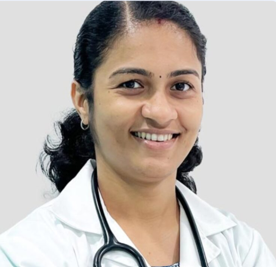 Dr. Shilpa Surian, General Practitioner, WeCARE Medical Center LLCGeneral Practitioner · 3 years · AED 45 · English, Malayalam
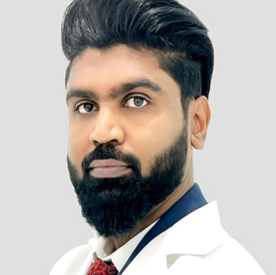 Dr. Ekramulla Mohamed Ali, General Practitioner, Wecare Medical CenterGeneral Practitioner
Doctors are independent. A listing is not a recommendation. Before you book, you can check a doctor's licence in the health authority's public register. See all doctors.
Questions people ask
Can anxiety cause physical symptoms?
Yes. Anxiety can cause a faster heartbeat, dizziness, headaches, chest pains, stomach problems, sweating and breathlessness. Chest pain that feels tight or spreads to your arm, neck or jaw needs 998, whatever you think the cause is.
Is a panic attack dangerous?
A panic attack usually lasts 5 to 20 minutes. It can be frightening, but it is not dangerous and should not harm you. If you get them regularly, speak to a professional.
Should I see a psychologist or a psychiatrist?
A psychologist offers talking therapy and does not prescribe. A psychiatrist is a doctor who can also prescribe. Either can suggest the other if it would suit you better.
Can I have therapy online in the UAE?
Yes. The NHS notes that talking therapies can be done by video or phone call, and the DoH standard in Abu Dhabi names tele-mental health among the services allowed by tele-consultation. You do not need a diagnosis before you book.
What is the difference between stress and anxiety?
Stress is usually a reaction to pressure you can often name, such as work or money. Anxiety can persist without a clear cause, and if you feel anxious most of the time and it affects your life, it may be generalised anxiety disorder.
Sources and further reading
- Anxiety, fear and panic (NHS)
- Stress (NHS)
- Generalised anxiety disorder (GAD) (NHS)
- Talking therapies (NHS)
- Heart attack (NHS)
- DOH Standard on Tele-Medicine, September 2020 (DoH)
Read next
medicAI is not for emergencies. If someone is seriously ill or injured, call 998 or go to the nearest hospital.
This page is general information. It does not replace advice from a doctor who knows your situation. medicAI is a technology platform. Care is given by independent licensed facilities, who are responsible for it and for its outcome.