
In short
- Period pain is common and usually caused by the womb contracting. Heat, gentle exercise and painkillers can help.
- Heavy periods can mean changing a pad or tampon every 1 to 2 hours, passing large clots or bleeding through to clothes.
- A cycle of 21 to 35 days is normal. Pregnancy, stress, weight changes, PMOS and contraception can make periods late or irregular.
- Period pain and contraception can often be discussed by video. Examinations, blood tests and scans happen in person.
- Sudden, intense tummy pain with dizziness or fainting when you could be pregnant means calling 998.
Common period problems and their causes
Painful periods. Pain usually comes from the womb tightening to push out blood, and often lasts up to 3 days. Sometimes it is caused by a condition such as endometriosis, adenomyosis, fibroids or pelvic inflammatory disease, and an intrauterine device can cause pain in the first few months.
Heavy periods. The NHS says you may have heavy periods if you need to change your pad or tampon every 1 to 2 hours, use two types of product together, bleed for more than 7 days, pass clots larger than about 2.5cm, bleed through to your clothes or bedding, or feel tired or short of breath a lot. They can be normal for you, and sometimes have a cause such as fibroids or endometriosis.
Irregular or missed periods. A period usually lasts 2 to 7 days, and regular cycles from 21 to 35 days are normal. Periods can be late or missed because of pregnancy, stress, sudden weight loss, being overweight, a lot of exercise, breastfeeding, the start of menopause, some hormonal contraception, or polyendocrine metabolic ovarian syndrome (PMOS), previously called PCOS. Read more about PCOS.
What you can do at home
- Use a heat pad or hot water bottle wrapped in a tea towel on your tummy, or have a warm bath or shower.
- Try gentle exercise such as walking, swimming or yoga, and massage your tummy and back.
- Take paracetamol or ibuprofen. Do not take ibuprofen or aspirin if you have asthma or stomach, heart, kidney or liver problems, and aspirin is not for anyone under 16.
- Cut down on alcohol and do not smoke, which may also help.
- Keep a diary of your symptoms through your cycle, including how often you change your period products.
When a video consultation suits it
See a doctor if periods are so painful or heavy that they affect your daily life, if they become more painful, heavier or irregular, or if you have missed 3 periods in a row. A detailed history is a big part of gynaecology, and the DHA telehealth standard lists contraception and period pain among the common conditions for teleprescribing, where the doctor judges it suitable.
Expect the doctor to ask the date your last period started, how long your cycle usually is, how often you change products on your heaviest days, whether you pass clots, whether you bleed between periods or after sex, whether you could be pregnant, and what contraception you use. Your diary will help.
When you need to be seen in person
Finding the cause of heavy or painful periods may need a physical examination, blood tests or an ultrasound scan. Heavy bleeding can lead to iron deficiency anaemia, which a blood test can check. See a doctor in person if you bleed between periods or after sex, have pain during sex or when peeing or pooing, notice a swollen tummy or weight loss you cannot explain, or your periods have not started by the age of 15. Get urgent advice the same day if your period pain is severe or worse than usual and painkillers have not helped.
Signs that need 998
If you could be pregnant, call 998 or go to an emergency department straight away for a sharp, sudden and intense pain in your tummy with feeling very dizzy or fainting, feeling sick or looking very pale. These can be signs of a ruptured ectopic pregnancy, which can be life threatening. A missed period with tummy pain low down on one side, vaginal bleeding or a brown watery discharge, or pain in the tip of your shoulder also needs urgent medical advice, even if a pregnancy test was negative.
Which doctor to see
An obstetrician and gynaecologist specialises in periods and reproductive health, and a general practitioner or family medicine doctor is also a good first call. If you would like a female doctor, check the profile before you book. Doctors on medicAI work at independent clinics and hospitals licensed by DHA in Dubai or DoH in Abu Dhabi, and those facilities are responsible for your care.
Doctors you can book for period problems
 Dr Anju Begum, General Practitioner, uniCare Medical CenterGeneral Practitioner · 10 years · Hindi, Urdu, English
 Dr. Leena KapoorGeneral Practitioner · 28 years · AED 25 · Hindi, Urdu, English
 Dr. Tarun ShuklaGeneral Practitioner · 35 years
 Dr. Dany RajakumarGeneral Practitioner · 5 years
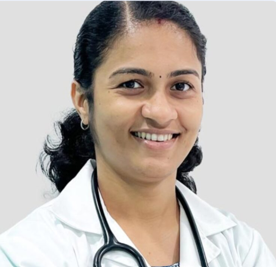 Dr. Shilpa Surian, General Practitioner, WeCARE Medical Center LLCGeneral Practitioner · 3 years · AED 45 · English, Malayalam
 Dr. Ekramulla Mohamed Ali, General Practitioner, Wecare Medical CenterGeneral Practitioner
Doctors are independent. A listing is not a recommendation. Before you book, you can check a doctor's licence in the health authority's public register. See all doctors.
Questions people ask
What counts as a heavy period?
Signs include changing a pad or tampon every 1 to 2 hours, using two products together, bleeding for more than 7 days, passing clots larger than about 2.5cm, or bleeding through to clothes or bedding.
Why is my period late?
Common reasons include pregnancy, stress, sudden weight loss, a lot of exercise, hormonal contraception, PMOS and the start of menopause. See a doctor if you have missed 3 periods in a row.
Can a gynaecologist help with period problems by video?
A gynaecologist can take a detailed history, suggest likely causes and advise on next steps by video. Many causes need an examination, blood tests or a scan in person before anyone can be sure.
When is period pain not normal?
See a doctor if the pain stops you doing your usual activities, gets worse over time, or comes with pain during sex, when peeing or pooing, or bleeding between periods.
Sources and further reading
- Period problems (NHS)
- Period pain (NHS)
- Heavy periods (NHS)
- Missed or late periods (NHS)
- Ectopic pregnancy (NHS)
- Standards for Telehealth Services, Version 4 (DHA)
Read next
medicAI is not for emergencies. If someone is seriously ill or injured, call 998 or go to the nearest hospital.
This page is general information. It does not replace advice from a doctor who knows your situation. medicAI is a technology platform. Care is given by independent licensed facilities, who are responsible for it and for its outcome.