
In short
- A high temperature is usually 38C or above, and it is most often caused by an infection such as a cold or flu.
- Most fevers in adults get better on their own with rest and plenty of fluids.
- A video consultation suits a fever that is not improving after home care, or one that comes with symptoms you want checked.
- Babies under 3 months with 38C or more, and babies aged 3 to 6 months with 39C or more, need urgent medical advice.
- Confusion, very fast breathing, a stiff neck or a rash that does not fade under a glass means calling 998.
What usually causes a fever
The NHS describes a high temperature as usually a symptom of infection, and says it is not usually a sign of anything serious. Colds and flu are common causes. In children, it can come with common childhood illnesses such as chickenpox and tonsillitis, and sometimes after vaccinations.
You may have a high temperature even if your thermometer says less than 38C, if you feel hot, cold or shivery. A fever is more of a concern when it is very high or will not come down.
In the UAE, think about the heat as well. Heat exhaustion can cause a high temperature along with heavy sweating, dizziness, a headache, cramps and feeling sick. Our article on heat illness and when to call 998 explains what to look out for.
Looking after a fever at home
- Rest, and stay at home and away from other people until your temperature is back to normal.
- Drink plenty of fluids, water ideally, so that your pee is light yellow and clear.
- Take paracetamol or ibuprofen if you feel uncomfortable, checking the leaflet first.
- For a child, do not undress them or sponge them down, and do not wrap them in too many layers. Never give aspirin to anyone under 16.
- If heat may be the cause, move somewhere cool, take off extra clothing, drink water and cool the skin with water and a fan. The NHS says people should start to feel better within 30 minutes.
When a video consultation suits a fever
The NHS suggests speaking to a doctor if you have been treating a high temperature at home and it is not getting better or is getting worse. A video call is a reasonable way to start that conversation. Under the DHA telehealth standard, the doctor decides whether telehealth suits you, and complex or emergency cases are referred for face-to-face or emergency care.
Expect the doctor to ask:
- When the fever started, the highest reading and how you took it.
- What else you have noticed, such as a cough, sore throat, pain when peeing, a rash, diarrhoea or vomiting.
- How much you are drinking and peeing.
- Whether you have recently travelled or spent a long time in the heat.
- Which medicines you have taken and when, plus any long-term condition or pregnancy.
When you need to be seen in person
A doctor may need to listen to your chest, examine you or arrange blood or urine tests to find the cause, and none of that can happen on screen. For children, get urgent advice the same day if a baby under 3 months has 38C or more, a baby aged 3 to 6 months has 39C or more, a fever has lasted 5 days or more, there is a rash as well, or your child seems dehydrated, with fewer wet nappies, sunken eyes or no tears when crying.
Signs that need 998
Call 998 or go to an emergency department if someone with a fever is confused, has slurred speech or is not making sense, is breathing very fast, has blue, grey, pale or blotchy skin, lips or tongue, has a rash that does not fade when you press a glass against it, has a stiff neck and cannot look at bright lights, or has a seizure for the first time. These can be signs of sepsis or meningitis. In a child, also call 998 if they are drowsy and hard to wake, have unusually cold hands and feet, or are struggling to breathe. After time in the heat, call 998 if someone is still unwell after 30 minutes of cooling, has hot skin that is not sweating, a fast heartbeat or confusion.
Which doctor to see
A general practitioner or family medicine doctor is the usual first call for an adult with a fever. For a baby or child, a paediatrician is a good choice, and a parent or legal guardian should stay on the call. Doctors on medicAI work at independent clinics and hospitals licensed by DHA in Dubai or DoH in Abu Dhabi, and those facilities are responsible for your care. medicAI is the technology platform you book through.
Doctors you can book for fever
 Dr Anju Begum, General Practitioner, uniCare Medical CenterGeneral Practitioner · 10 years · Hindi, Urdu, English
 Dr. Leena KapoorGeneral Practitioner · 28 years · AED 25 · Hindi, Urdu, English
 Dr. Tarun ShuklaPediatrics · 35 years
 Dr. Dany RajakumarGeneral Practitioner · 5 years
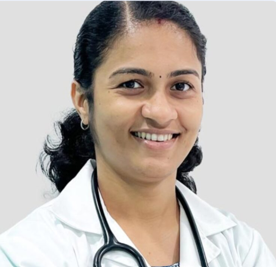 Dr. Shilpa Surian, General Practitioner, WeCARE Medical Center LLCGeneral Practitioner · 3 years · AED 45 · English, Malayalam
 Dr. Ekramulla Mohamed Ali, General Practitioner, Wecare Medical CenterGeneral Practitioner
Doctors are independent. A listing is not a recommendation. Before you book, you can check a doctor's licence in the health authority's public register. See all doctors.
Questions people ask
What temperature counts as a fever?
A high temperature is usually 38C or above. If you feel hot, cold or shivery, you may have one even if your thermometer reads lower.
How long does a fever usually last?
In children, the temperature usually returns to normal within 1 to 4 days. Most high temperatures in adults also get better on their own, so speak to a doctor if yours is not improving or is getting worse.
Can an online doctor help with my child’s fever?
A paediatrician or GP can assess many children by video and tell you what to watch for. A baby under 3 months with 38C or more needs urgent medical advice, and signs such as a stiff neck or a rash that does not fade mean calling 998.
Should I take my temperature before a video call?
It helps if you can. Use a digital thermometer under the tongue or in the armpit, and note the reading and the time. The NHS advises against glass thermometers and forehead strips.
Sources and further reading
Read next
medicAI is not for emergencies. If someone is seriously ill or injured, call 998 or go to the nearest hospital.
This page is general information. It does not replace advice from a doctor who knows your situation. medicAI is a technology platform. Care is given by independent licensed facilities, who are responsible for it and for its outcome.