In short
- Acne happens when hair follicles get blocked with oil and dead skin cells, and bacteria cause inflammation.
- Hormone changes, some medicines, greasy skin or hair products and conditions such as PMOS can play a part.
- Washing twice a day with a gentle cleanser and using non-comedogenic products can help. Do not pick or squeeze spots.
- See a doctor if acne is not improving, is deep, painful or scarring, looks infected, or is affecting your mental health.
- A sudden allergic reaction to a new product or medicine, with swelling or trouble breathing, means calling 998.
What causes acne
The NHS explains that acne can happen when hair follicles become blocked with excess oil and dead skin cells, and bacteria grow in them, causing inflammation and pus. It usually affects the face, chest and back. Spots can be whiteheads, blackheads, raised papules, pus-filled pustules, or larger nodules and cysts under the skin that may be painful.
Causes include hormone changes during puberty, periods, menopause and pregnancy, conditions such as rosacea and polyendocrine metabolic ovarian syndrome (PMOS, previously called PCOS), certain medicines, and skin or hair products that make your skin greasy. If irregular periods or extra hair growth come with your acne, read about PCOS.
What you can do at home
- Wash your skin twice a day with a gentle cleanser, and remove make-up at the end of the day.
- Choose skin care and make-up labelled non-comedogenic, which means they will not clog pores.
- Try treatments you put on your skin, such as salicylic acid or benzoyl peroxide. A pharmacist can advise.
- Wear loose, breathable clothing if you have acne on your body, especially when exercising or sweating.
- Do not pick or squeeze spots, which can cause scars, and do not scrub your skin.
When a video consultation suits acne
Acne is well suited to a video visit, because a doctor can see a great deal from clear photos and a good history. The DHA telehealth standard lists a high resolution photograph or video examination as mandatory for skin conditions treated through teleprescribing. Take photos in daylight, without make-up or filters, from the front and each side, plus close-ups of the worst areas.
See a doctor if you have tried treating acne yourself and it is not getting better, you have lots of spots, or they are deep, painful or leaving scars. The doctor will ask how long you have had it, what you have tried and for how long, your skin and hair products, your periods if relevant, your medicines, and whether you are pregnant or planning to be. Prescription treatments, as creams, gels or tablets, are stronger than shop products, and the doctor will decide which, if any, suits you.
When you need to be seen in person
Hot, swollen, red skin can be a sign of infection, so get it checked by a doctor promptly. If acne is severe or has not responded to treatment, a GP may refer you to a dermatologist, who may want to see you in person.
Acne can affect your mental health, causing anxiety, depression and low self-esteem. That on its own is a good reason to see a doctor, and our page on anxiety and stress explains where else to turn.
Signs that need 998
Acne does not usually need emergency care. Call 998 if, after using a new product or medicine, your lips, mouth, throat or tongue suddenly swell, you are struggling to breathe, your throat feels tight, or you feel suddenly confused, drowsy or faint. These can be signs of anaphylaxis. If acne is affecting your mood so much that you do not feel you can keep yourself safe, call 998 or go to the nearest emergency department.
Which doctor to see
A dermatologist specialises in skin, and a general practitioner can also start treatment and refer you on. Dermatologists listed on medicAI work at clinics and hospitals licensed by DHA or DoH, and the doctor and their facility provide your care. medicAI is the app that lets you find one, compare fees and join the call from your phone.
Doctors you can book for acne
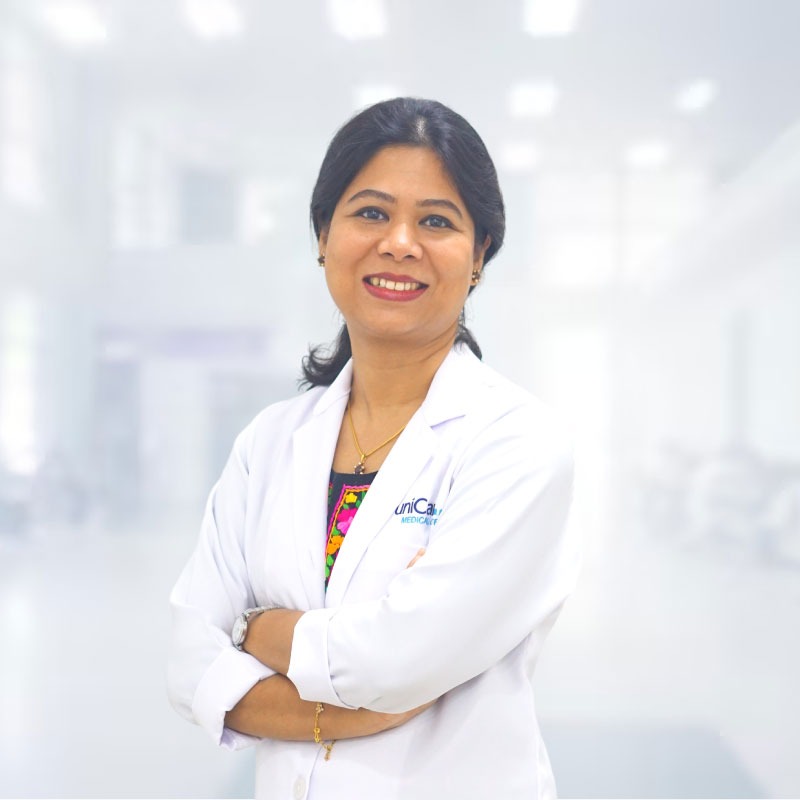 Dr Anju Begum, General Practitioner, uniCare Medical CenterGeneral Practitioner · 10 years · Hindi, Urdu, English
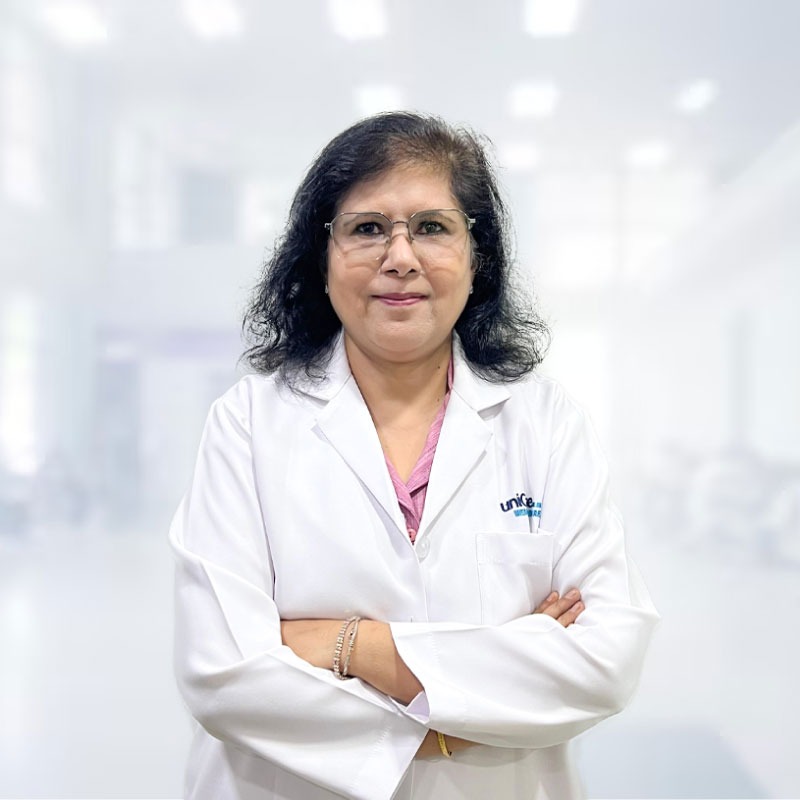 Dr. Leena KapoorGeneral Practitioner · 28 years · AED 25 · Hindi, Urdu, English
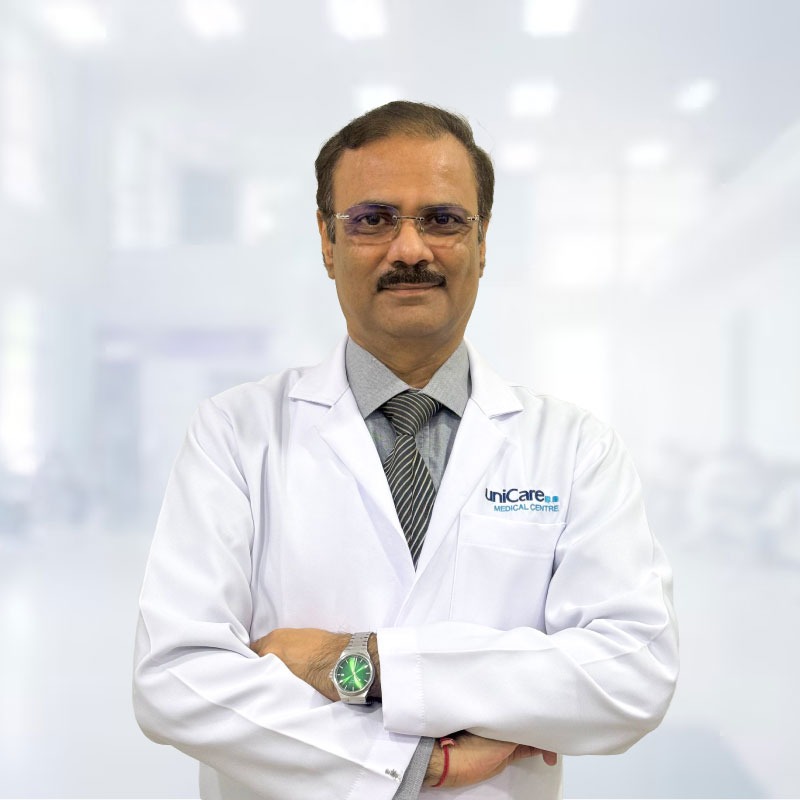 Dr. Tarun ShuklaGeneral Practitioner · 35 years
 Dr. Dany RajakumarGeneral Practitioner · 5 years
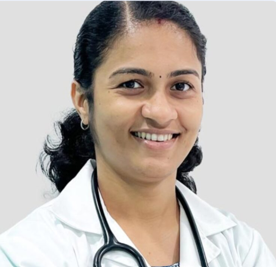 Dr. Shilpa Surian, General Practitioner, WeCARE Medical Center LLCGeneral Practitioner · 3 years · AED 45 · English, Malayalam
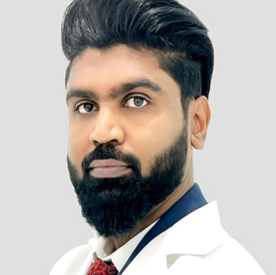 Dr. Ekramulla Mohamed Ali, General Practitioner, Wecare Medical CenterGeneral Practitioner
Doctors are independent. A listing is not a recommendation. Before you book, you can check a doctor's licence in the health authority's public register. See all doctors.
Questions people ask
What causes acne in adults?
Hormone changes around periods, pregnancy or the menopause, conditions such as PMOS or rosacea, some medicines, and greasy skin or hair products can all cause acne in adults.
Can I get acne treatment online?
A doctor can assess acne by video using clear photos, and can prescribe if they judge it suitable. For skin conditions, the DHA telehealth standard makes a clear photo or video examination mandatory before teleprescribing.
Does squeezing spots make acne worse?
Picking or squeezing spots can cause scars, and scrubbing your skin can irritate it and make acne worse.
When should I see a doctor about acne?
See a doctor if home and pharmacy treatments are not working, you have lots of deep or painful spots or scars, the skin looks infected, or acne is affecting your mental health.
Sources and further reading
Read next
medicAI is not for emergencies. If someone is seriously ill or injured, call 998 or go to the nearest hospital.
This page is general information. It does not replace advice from a doctor who knows your situation. medicAI is a technology platform. Care is given by independent licensed facilities, who are responsible for it and for its outcome.