In short
- PCOS is a common hormone condition in which higher than normal androgen levels can cause irregular periods, excess hair, acne and difficulty getting pregnant.
- WHO estimates it affects 10 to 13% of women of reproductive age, and that up to 70% of them have not been diagnosed.
- It is diagnosed when at least two of three features are present: signs of high androgens, irregular or absent periods, and polycystic ovaries on ultrasound.
- It does not go away, but lifestyle changes and treatment can ease symptoms, help with fertility and protect long-term health.
- It raises the risk of type 2 diabetes, high blood pressure and womb cancer, so regular check-ups matter.
Tests you can book
- Lab tests65% off
Polycystic Ovary Syndrome (PCOS)
The Polycystic Ovary Syndrome (PCOS) Panel is a comprehensive hormonal and metabolic screening designed to evaluate the key markers associated with PCOS. This condition affects ovulation, menstrual regularity, metabolism and hormonal balance. The panel measure
AED 408.45
View detailsUsual price AED 1,153.95 - Lab tests53% off
Hormone Profile - Female
The Hormone Profile – Female is a focused endocrine assessment designed to evaluate key reproductive and menstrual hormones. This panel offers insight into menstrual cycle health, ovulation patterns, fertility status, peri-menopause changes and hormonal balanc
AED 177.45
View detailsUsual price AED 376.95
What PCOS is
In PCOS, the body’s hormone signals do not work as they should, which causes higher than normal levels of androgens (hormones such as testosterone) and other imbalances. This can affect ovulation, periods, hair and skin. WHO describes it as a long-term metabolic condition that continues beyond the reproductive years.
Despite the name, you do not need cysts on your ovaries to have PCOS. In the UK the NHS now calls it polyendocrine metabolic ovarian syndrome (PMOS). It is the same condition.
Symptoms
- Irregular periods, long gaps between periods, or no periods. Some women have heavy, long or painful periods instead.
- Excess hair on the face or body, or thinning hair on the head.
- Oily skin and acne.
- Weight gain, especially around the tummy, or difficulty losing weight.
- Difficulty getting pregnant.
- Feeling very tired, and low mood or anxiety.
- Thick, dark patches of skin on the neck or in the armpits.
Symptoms usually start around puberty and can be mild, severe or absent. After the menopause some symptoms stop or change. Many of these symptoms have other causes, so having them does not mean you definitely have PCOS.
Causes and who is more likely to get it
The cause is not known, but it may be linked to hormones such as insulin and testosterone not working properly. It runs in families. You are more likely to have it if a close relative has PCOS or type 2 diabetes, and the NHS notes it is more common in women from an Asian background.
How it is diagnosed
WHO describes PCOS as diagnosed when at least two of these are present, after other causes have been ruled out:
- Signs of high androgens, such as excess hair, hair loss from the head, acne or oily skin, or a raised testosterone level in the blood.
- Irregular or absent periods.
- Polycystic ovaries on an ultrasound scan.
Blood tests check hormone levels and insulin resistance. The NHS only uses an ultrasound for this if you are over 18. Life stage counts too, because irregular periods can be normal in the first years after periods start and around the menopause. After diagnosis, WHO recommends further blood tests for insulin resistance and a check of your heart and circulation risk. You may be referred to a gynaecologist or a hormone specialist (endocrinologist).
How it is usually managed
Healthy eating and regular physical activity matter for everyone with PCOS, and WHO says they help even when they do not lead to weight loss. Losing weight can help if you are overweight. Talking therapy can help if symptoms are affecting your mood, and unwanted hair can be removed by shaving, waxing, creams, electrolysis or laser.
Depending on your symptoms and plans, a doctor may discuss:
- Hormonal contraception, such as the pill or a hormonal coil, to regulate periods. The combined pill may also reduce acne and excess hair.
- Medicines that block androgens or reduce hair growth, for excess hair or acne.
- Skin creams or tablets for acne.
- A medicine also used in type 2 diabetes, or weight loss medicines, for tiredness and weight.
- For fertility, medicines that help the ovaries release an egg, a keyhole procedure called ovarian drilling, or IVF.
WHO stresses that treatment choices should be made together with you, based on what matters most to you.
Complications to know about
- Type 2 diabetes and insulin resistance.
- High blood pressure and heart and circulation disease.
- Non-alcoholic fatty liver disease.
- Thickening or cancer of the womb lining, linked to infrequent periods.
- Diabetes or high blood pressure during pregnancy, and other pregnancy complications that need extra monitoring.
- Anxiety, depression, eating disorders and a negative body image.
Regular check-ups lower the chance of these problems going unnoticed. WHO also notes that infertility, weight and unwanted hair can carry social stigma, which affects mental health and relationships, so it is worth raising how you feel as well as your physical symptoms.
When to see a doctor, and when to call 998
If you could be pregnant, call 998 or go to an emergency department for a sharp, sudden and intense pain in your tummy with feeling very dizzy or fainting, feeling sick or looking very pale. These can be signs of a ruptured ectopic pregnancy. Call 998 too if you do not feel you can keep yourself safe.
Book an appointment if you think you might have PCOS, or if your symptoms are affecting your daily life, work or relationships. Gynaecologists on medicAI work at independent clinics and hospitals licensed by DHA or DoH. A video call can cover your history, periods and results, while a scan is done in person.
Doctors you can book for pcos
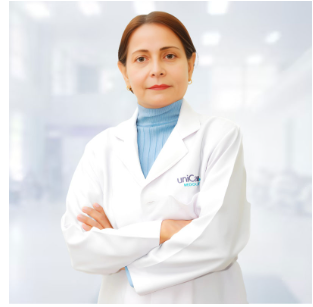 Dr Jaimala Shukla, Specialist Obstetrics and GynecologyObstetrics & Gynecology (OB/GYN)
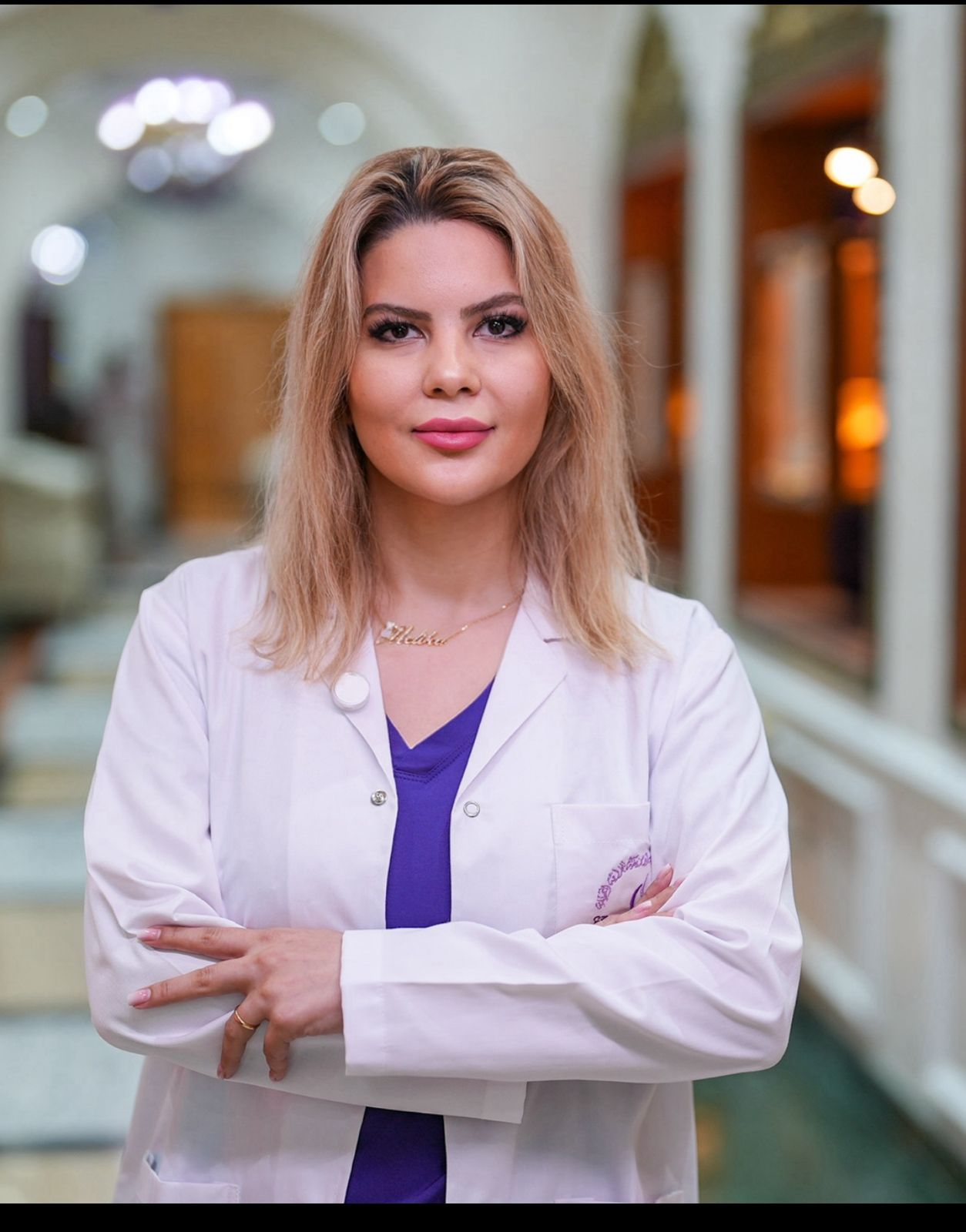 Melikka Assefi, Gynecologist, American Academy of cosmetic surgery hospitalObstetrics & Gynecology (OB/GYN) · 15 years · AED 50 · English, Arabic
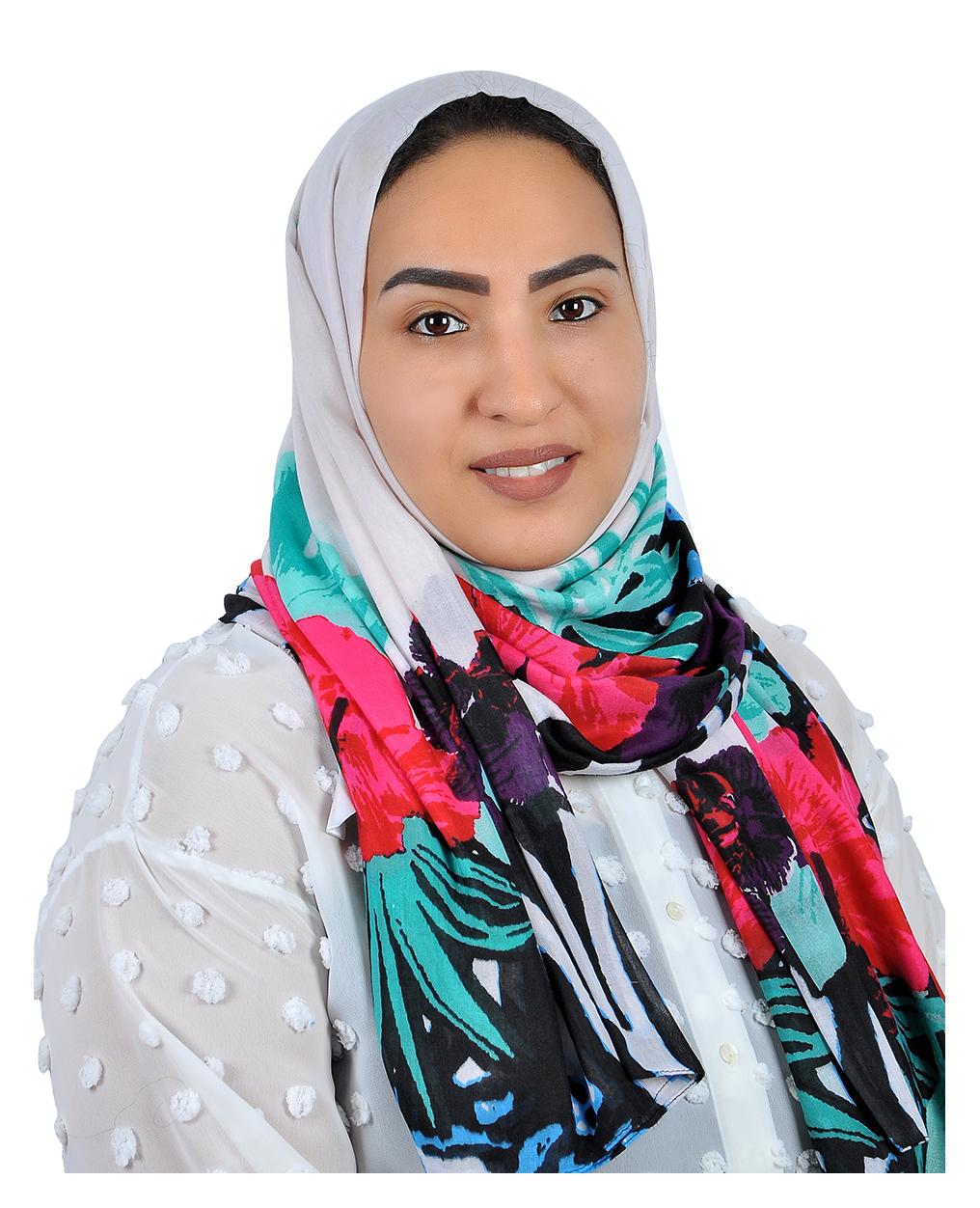 Hiba Mahmoud Abdelrahim Ahmed, Obstetrics & Gynecology, DCDCObstetrics & Gynecology (OB/GYN)
 Maria Ramirez Aristondo, Specialist - Obstetrics and Gynecology, DCDCObstetrics & Gynecology (OB/GYN)
 Parisa Dini, Obstetrics & Gynecology, DCDCObstetrics & Gynecology (OB/GYN)
Doctors are independent. A listing is not a recommendation. Before you book, you can check a doctor's licence in the health authority's public register. See all doctors.
Questions people ask
Can you have PCOS without cysts on your ovaries?
Yes. PCOS is diagnosed from at least two of three features, and polycystic ovaries are only one of them, so some women with PCOS have normal-looking ovaries.
Is PCOS the same as PMOS?
Yes. The NHS now uses the name polyendocrine metabolic ovarian syndrome (PMOS) for the condition that used to be called polycystic ovary syndrome (PCOS).
Can I get pregnant if I have PCOS?
WHO says women with PCOS can be supported to become pregnant. Treatments include lifestyle changes, medicines that help ovulation, surgery and IVF, and pregnancy is usually monitored more closely.
What blood tests are used for PCOS?
Blood tests look at hormone levels, including testosterone, and at insulin resistance. After diagnosis, WHO recommends checking your heart and circulation risk too.
Does PCOS go away after the menopause?
Some symptoms stop or change after the menopause. WHO describes PCOS as a long-term metabolic condition, so the higher risk of problems such as type 2 diabetes continues.
Does losing weight help PCOS?
Losing weight can help if you are overweight. WHO says healthy eating and activity are important for everyone with PCOS, even when they do not lead to weight loss.
Sources and further reading
Read next
medicAI is not for emergencies. If someone is seriously ill or injured, call 998 or go to the nearest hospital.
This page is general information. It does not replace advice from a doctor who knows your situation. medicAI is a technology platform. Care is given by independent licensed facilities, who are responsible for it and for its outcome.