In short
- Atopic eczema (atopic dermatitis) is a common condition that makes skin itchy, dry and cracked. It is most common in young children but affects all ages.
- It comes and goes, with flare-ups and calmer spells, and often improves as children get older.
- Soap, detergents, some fabrics, heat, stress and skin infections can make it worse. It is not contagious.
- Moisturising treatments (emollients) used at least twice a day are the base of treatment, with steroid creams for flare-ups.
- Sudden swelling of the lips, mouth or throat, or struggling to breathe: call 998.
What atopic eczema is
Eczema, also called dermatitis, is a name for several conditions that inflame the skin. Atopic eczema is the most common. It is usually long-lasting, and people who have it may also develop hay fever and asthma. Other types include contact dermatitis, discoid eczema, pompholyx and varicose eczema.
You cannot catch atopic eczema from someone else, and you cannot pass it on.
Symptoms
It often appears on the elbows, knees and hands, inside the elbows and behind the knees. In babies and toddlers it is also common on the face. Affected skin can be:
- Itchy.
- Dry, cracked, crusty, scaly or thickened.
- Red, white, purple or grey, or lighter or darker than the skin around it, depending on your skin tone.
- Blistered, or bleeding.
Symptoms usually start in babies and young children. There are times when they get worse, called flare-ups, and times when they settle. Scratching makes the skin redder, more swollen and itchier, which keeps the cycle going.
Causes, triggers and who is more likely to get it
The exact cause is not always known, and is thought to involve both genes and the environment. You are more likely to have it if one or both parents have eczema, or if you or a close relative has asthma or hay fever. Things that can make it worse include:
- Irritants and allergens such as soap, washing detergent, pets, some fabrics, pollen, house-dust mites or certain foods.
- Heat, or changes in temperature.
- Skin infections, such as a staph infection.
- Stress.
- Hormonal changes, such as during pregnancy.
Getting it checked
See a GP if you or your child have symptoms of eczema, or if treatment is not helping. A GP can prescribe treatment, and may refer you to a skin specialist (dermatologist). Skin suits a video call well if you take clear photos in daylight. The dermatology guide explains how to take useful pictures.
Do not change your diet, or the diet of a baby you are breastfeeding, unless a doctor tells you to.
How it is usually treated
There is no treatment that makes atopic eczema disappear for good, although it tends to improve with age. Treatment keeps it under control. The NHS advises:
- Use moisturising treatments (emollients) as often as you can, at least twice a day, and keep going when the skin improves.
- Wash with an emollient instead of soap.
- Avoid things that make your eczema worse.
- Keep cool, because being hot can make eczema itchier.
- Keep nails short, and use anti-scratch mittens for babies. If you feel the urge to scratch, gently rub the skin with a finger instead.
- Use a spoon or pump to take emollient from a tub, and do not share it with anyone.
- Do not use aqueous cream, which can irritate the skin.
A pharmacist can advise on small areas of dry, slightly itchy eczema. For anything more, see a doctor. The main prescribed treatments are emollients and steroid creams, lotions or gels applied to the skin. Depending on how severe it is, a doctor may also suggest special dressings, light therapy or medicines. If eczema affects your mental health, you can ask to be referred for support.
One safety point: emollients are not flammable on the skin, but when they soak into clothing, bedding or dressings these can catch fire more easily. Do not smoke or go near naked flames when using them.
Complications to know about
The main complication is infection. Eczema that becomes blistered, crusty or leaking fluid, has spots filled with pus, is painful, swollen or warm, suddenly gets worse or spreads, or comes with a high temperature or feeling unwell may be infected. It may also be a more serious condition called eczema herpeticum. Both need an urgent appointment the same day, because you may need treatment such as antibiotics.
Eczema in the UAE heat
Heat and changes in temperature are both known triggers. If you move between hot outdoor air and cool air-conditioned rooms through the day, notice whether your skin flares, and keep your emollient with you so you can reapply it. Choosing fabrics that do not irritate your skin helps too.
When to see a doctor, and when to call 998
Call 998 if your lips, mouth, throat or tongue suddenly swell, you are breathing very fast or struggling to breathe, your throat feels tight or you cannot swallow, your skin or lips turn blue, grey or pale, you suddenly feel very confused, drowsy or dizzy, or a child becomes limp, floppy or unresponsive. These are signs of a serious allergic reaction (anaphylaxis), and may come with an itchy, raised rash.
Get an urgent appointment for signs of infection, described above. Book a routine appointment if treatment is not helping. Dermatologists and paediatricians on medicAI work at independent facilities licensed by DHA or DoH, and can assess your skin by video with good photos.
Doctors you can book for eczema
 Dr. Tarun ShuklaPediatrics · 35 years
 Reem Mahmoud, Pediatrician, MBMPediatrics · AED 35 · English, Arabic
 Dr Aakash Sharma, Specialist Peadiatric DentistPediatrics
 Dr Madhu Madan, Specialist DermatologistDermatology · AED 350
 Shima Elamin, Specialist derDermatology, DCDCDermatology
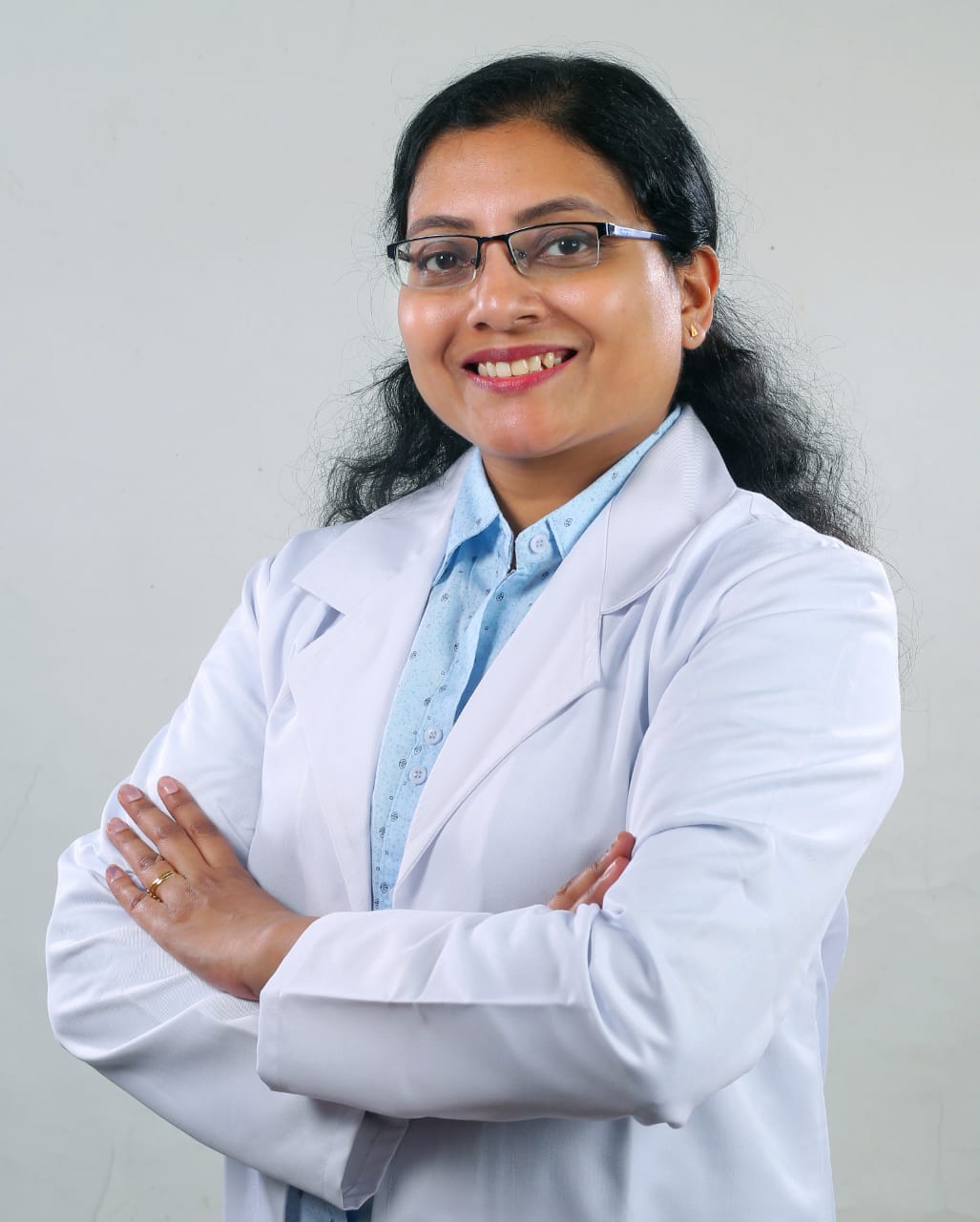 Dr. Arundhathi Gurudhayal, GP Aesthetic & Dermatology, WeCARE Medical Center LLCDermatology
Doctors are independent. A listing is not a recommendation. Before you book, you can check a doctor's licence in the health authority's public register. See all doctors.
Questions people ask
Is eczema contagious?
No. Atopic eczema is not contagious, so you cannot catch it or spread it to anyone else.
Will my child grow out of eczema?
Atopic eczema often gets better as children grow older, and for some it goes away. For others the skin stays dry and easily irritated.
How often should I moisturise eczema?
The NHS advises using emollients as often as possible, at least twice a day, and carrying on even when the skin looks better.
Can food cause eczema?
Certain foods can be a trigger for some people. Do not cut foods out of your diet, or your baby’s, unless a doctor advises it.
Can heat make eczema worse?
Yes. Heat and changes in temperature can make eczema worse, and being hot can make it itchier, so keeping cool helps.
How do I know if eczema is infected?
Infected eczema may be blistered, crusty or weeping, have pus-filled spots, feel painful, swollen or warm, or come with a fever. Get an urgent appointment the same day.
Sources and further reading
- Atopic eczema (NHS)
- Eczema (MedlinePlus)
- Anaphylaxis (NHS)
Read next
medicAI is not for emergencies. If someone is seriously ill or injured, call 998 or go to the nearest hospital.
This page is general information. It does not replace advice from a doctor who knows your situation. medicAI is a technology platform. Care is given by independent licensed facilities, who are responsible for it and for its outcome.