In short
- High blood pressure, or hypertension, means the pressure in your blood vessels is too high: usually 140/90 or more when measured by a health professional.
- It does not usually cause symptoms, so the only way to find out is to have your blood pressure checked.
- Getting older, close relatives with it, a salty diet, being overweight, smoking, alcohol and long-term stress all raise the chances.
- Lifestyle changes help everyone with high blood pressure, and many people also take daily medicine.
- Sudden chest pain, pain spreading to your arm or jaw, or a drooping face or weak arm: call 998.
Tests you can book
- Lab tests55% off
Lipid & Cholesterol Profile
The Lipid/Cholesterol Profile is a comprehensive blood test that evaluates heart health, cholesterol balance and cardiovascular risk by measuring the full spectrum of lipid markers. This advanced profile provides detailed insights into the quality and distribu
AED 93.45
View detailsUsual price AED 208.95 - Lab tests55% off
Kidney Profile
The Kidney Profile is a comprehensive blood and urine-based assessment that evaluates overall kidney function, filtration efficiency, electrolyte balance, and early signs of kidney damage or metabolic imbalance. A DHA-licensed nurse collects your sample at you
AED 93.45
View detailsUsual price AED 208.95
What the numbers mean
A reading has two numbers. The first (systolic) is the pressure in your blood vessels when your heart beats. The second (diastolic) is the pressure when your heart rests between beats. The NHS usually considers your blood pressure high if it is:
| Where it is measured | Usually considered high |
|---|---|
| By a doctor, nurse or pharmacist | 140/90 or higher |
| At home, with your own monitor | 135/85 or higher |
WHO describes hypertension as diagnosed when readings on two different days are 140 or more for the first number, 90 or more for the second, or both. One high reading on its own is not a diagnosis.
Symptoms: usually none
High blood pressure does not usually cause any symptoms, and many people have it without realising. Rarely it causes headaches, blurred vision or chest pain. WHO estimates that around 600 million adults with hypertension worldwide do not know they have it.
Causes and who is more likely to get it
- Your age: it becomes more likely as you get older.
- Close relatives with high blood pressure.
- A Black African, Black Caribbean or South Asian background.
- A diet high in salt, or high in saturated and trans fats and low in fruit and vegetables.
- Being overweight, smoking, drinking too much alcohol and not being active.
- Feeling stressed over a long period.
- Other conditions such as diabetes or kidney disease.
How it is checked
A cuff is inflated around your upper arm and the pressure is measured. If the reading is high, you may be asked to check it at home over several days, come back for another reading, or wear a portable monitor that takes readings over 24 hours. You can use a home monitor, but WHO says an assessment by a health professional is still important to look at your overall risk and related conditions.
The blood tests listed on this page do not measure blood pressure. WHO notes that raised blood pressure, raised blood glucose and raised blood lipids together point to a higher risk of heart attack and stroke, and that hypertension can damage the kidneys, so a doctor may suggest tests of your cholesterol and kidney function as well.
How it is usually managed
- Eat a healthy, balanced diet and cut down on salt, including salt added at the table.
- Aim for at least 150 minutes of exercise a week.
- Lose weight if you are overweight.
- Cut down on alcohol and on drinks high in caffeine, such as coffee, tea and cola.
- Do not smoke.
A doctor will usually suggest medicine if your blood pressure is very high, if you are at higher risk of a heart attack or stroke, or if it stays high after lifestyle changes. The choice depends on how high it is, your age and your ethnicity. Most are tablets taken once a day, and some people need more than one. Your target depends on your other conditions: WHO gives below 140/90 for most people and below 130/80 for people with, or at high risk of, heart disease or stroke.
Complications to know about
High blood pressure puts extra strain on your blood vessels, heart, brain, kidneys and eyes. Left untreated, it raises the risk of heart disease, heart attack, stroke, heart failure, kidney disease and vascular dementia. The NHS points out that lowering your blood pressure even a small amount helps reduce these risks.
High blood pressure in the UAE
The UAE is part of the WHO Eastern Mediterranean Region, which WHO reports has the highest share of adults with hypertension of any of its regions, at 38%. Because it is common and often silent, a regular check is worth planning.
If you have a heart condition as well, the NHS lists people with heart problems among those more at risk of heat exhaustion and heatstroke, so take extra care in the summer. Keep a home log of the date, time and reading to share with your doctor, as the cardiology guide explains.
When to see a doctor, and when to call 998
Call 998 straight away for sudden chest pain or discomfort that does not go away, which can feel like squeezing, pressure, burning or indigestion; pain that spreads to your arm, neck, jaw, stomach or back; or chest pain with sweating, feeling sick, light-headed or short of breath. Also call 998 for sudden weakness or numbness of the face, arm or leg, sudden confusion or trouble speaking, or sudden difficulty seeing. Do not drive yourself to hospital.
WHO says that very high blood pressure, usually 180/120 or more, can cause a severe headache, chest pain, dizziness, difficulty breathing, blurred vision or confusion, and that anyone with these symptoms and a high reading should seek care immediately. Get advice the same day if you often have headaches or blurred vision, or chest pain that comes and goes.
For a routine check, the NHS suggests getting your blood pressure measured if you are 40 or over and it has not been checked for more than 5 years, or sooner if you think you are at risk. Doctors on medicAI work for independent facilities licensed by DHA or DoH, and a video call can cover a review of your home readings and medicines.
Doctors you can book for high blood pressure
 Dr Anju Begum, General Practitioner, uniCare Medical CenterGeneral Practitioner · 10 years · Hindi, Urdu, English
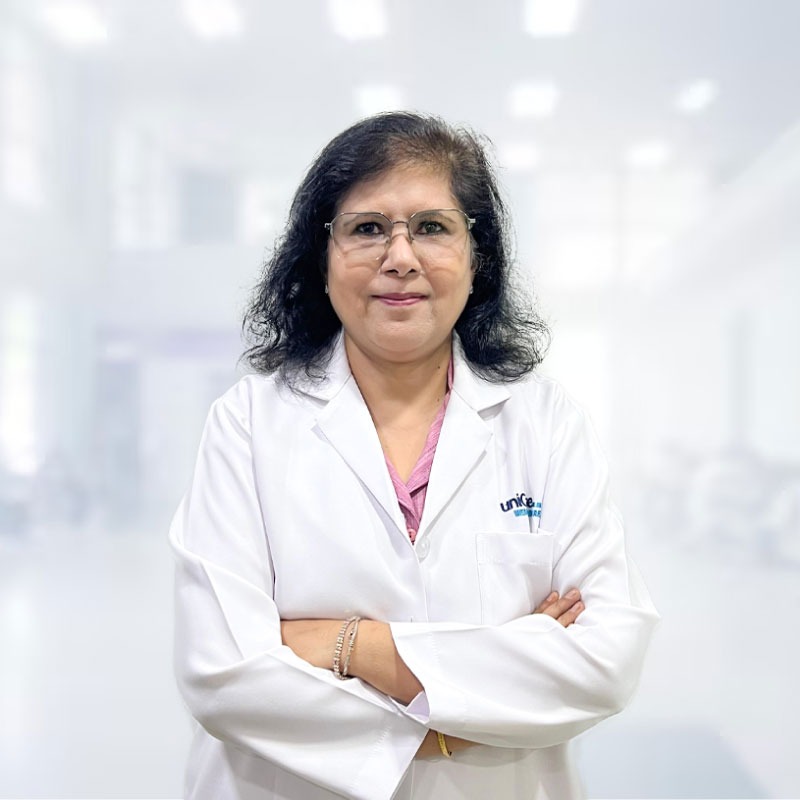 Dr. Leena KapoorGeneral Practitioner · 28 years · AED 25 · Hindi, Urdu, English
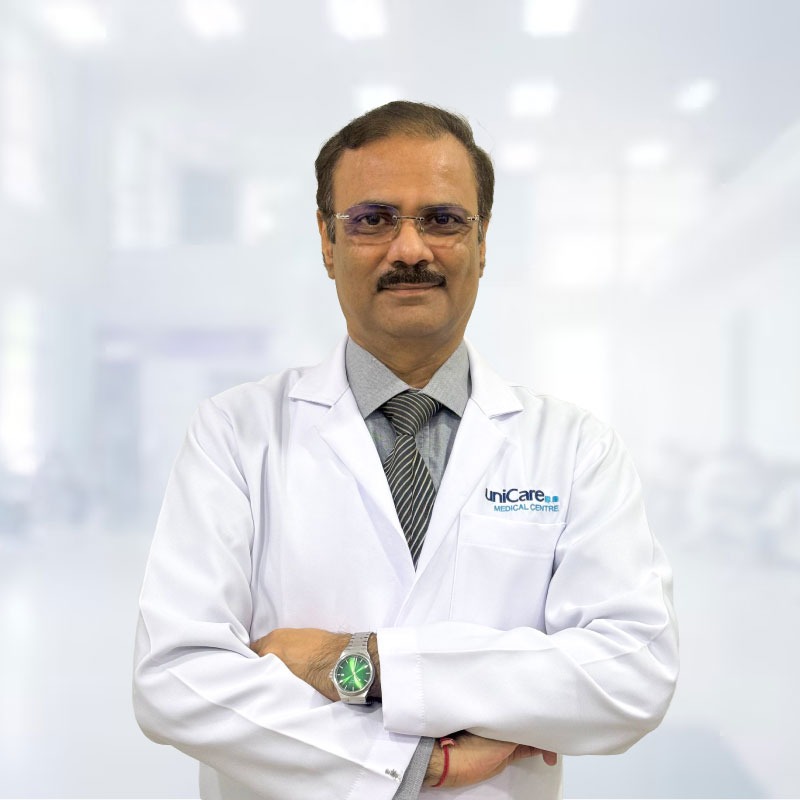 Dr. Tarun ShuklaGeneral Practitioner · 35 years
 Dr. Dany RajakumarGeneral Practitioner · 5 years
 Dr. Shilpa Surian, General Practitioner, WeCARE Medical Center LLCGeneral Practitioner · 3 years · AED 45 · English, Malayalam
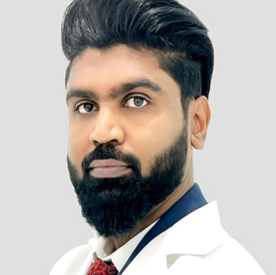 Dr. Ekramulla Mohamed Ali, General Practitioner, Wecare Medical CenterGeneral Practitioner
Doctors are independent. A listing is not a recommendation. Before you book, you can check a doctor's licence in the health authority's public register. See all doctors.
Questions people ask
What blood pressure reading counts as high?
The NHS usually considers 140/90 or higher high when a health professional measures it, and 135/85 or higher on a home monitor. A diagnosis is based on more than one reading.
Can you feel high blood pressure?
Usually not. Most people have no symptoms, which is why regular checks matter. Very high blood pressure can cause headaches, chest pain or blurred vision, and needs urgent care.
Can high blood pressure be lowered without medicine?
Lifestyle changes such as less salt, more exercise, losing weight and cutting down on alcohol help everyone with high blood pressure. Many people still need medicine, and your doctor will advise you.
Can I check my blood pressure at home?
Yes. Home readings help confirm a diagnosis and track treatment, and 135/85 or higher at home is usually considered high. WHO says an assessment by a health professional is still important.
How often should I have my blood pressure checked?
The NHS suggests a check if you are 40 or over and have not had one for more than 5 years. If you are at higher risk or already have high blood pressure, your doctor will suggest how often.
Sources and further reading
- High blood pressure (NHS)
- Hypertension (WHO)
- Cardiovascular diseases (CVDs) (WHO)
- Heat exhaustion and heatstroke (NHS)
Read next
medicAI is not for emergencies. If someone is seriously ill or injured, call 998 or go to the nearest hospital.
This page is general information. It does not replace advice from a doctor who knows your situation. medicAI is a technology platform. Care is given by independent licensed facilities, who are responsible for it and for its outcome.