
In short
- Iron deficiency anaemia is when a lack of iron means the body cannot make enough haemoglobin, the part of red blood cells that carries oxygen.
- Common signs are tiredness, shortness of breath, palpitations, paler skin than usual and headaches.
- Heavy periods, pregnancy and bleeding in the stomach or bowel are common causes.
- A full blood count shows whether you are anaemic, and the doctor then looks for the reason.
- Vomiting blood, black sticky poo or chest pain that starts suddenly: call 998.
Tests you can book
- Lab tests57% off
Anemia Test
The Anemia Test is a focused diagnostic screening designed to evaluate the most common causes of anemia, including low hemoglobin, iron deficiency and vitamin B12 deficiency. This panel helps identify patterns of nutritional anemia, fatigue, weakness, dizzines
AED 124.95
View detailsUsual price AED 292.95 - Energy and immunity56% off
Iron Test
The Iron Test is a focused assessment designed to evaluate iron status, iron-binding capacity and the efficiency of iron transport in the body. This panel helps identify iron deficiency, iron overload, fatigue-related issues, anemia patterns and nutritional im
AED 114.45
View detailsUsual price AED 261.45 - Lab tests39% off
CBC Test
The CBC Test (Complete Blood Count) is a core diagnostic blood test that evaluates the quantity and quality of red blood cells (RBCs), white blood cells (WBCs), haemoglobin, haematocrit, platelets, and red cell indices (MCV, MCH, MCHC, RDW). It provides a deta
AED 82.95
View detailsUsual price AED 135.45
What it is
Anaemia means you have fewer red blood cells than normal, or less haemoglobin in them, so your organs and tissues get less oxygen. WHO treats anaemia as a sign of an underlying problem rather than a diagnosis in itself. Iron deficiency anaemia is the most common type, caused by a lack of iron, often because of blood loss or pregnancy.
Not every anaemia is caused by low iron. WHO lists other causes, including low vitamin B12 or folate, infections, long-term illness and inherited red blood cell conditions such as thalassaemia and sickle cell disease. This is one reason to have a test before taking iron, and to take supplements only when a qualified health professional recommends them.
Symptoms
- Tiredness and lack of energy.
- Shortness of breath.
- Noticeable heartbeats (palpitations).
- Skin that is paler than usual.
- Headaches.
Less common signs include ringing or buzzing in the ears, food tasting strange, itching, a sore tongue, hair loss, wanting to eat things that are not food such as ice or paper, difficulty swallowing, sores in the corners of the mouth, spoon-shaped nails and restless legs. WHO adds that severe anaemia can cause paleness inside the mouth and nose and under the fingernails, fast breathing and heart rate, and dizziness on standing up.
Causes and who is more likely to get it
Heavy periods and pregnancy are very common causes. In pregnancy, it is most often due to too little iron in the diet. Bleeding in the stomach or intestines is another common cause, which can come from:
- Anti-inflammatory painkillers such as ibuprofen and aspirin.
- Stomach ulcers.
- Inflammation of the bowel or the food pipe (oesophagus).
- Piles.
- Less commonly, cancer of the bowel or stomach.
WHO says the groups most likely to be affected are young children, menstruating girls and women, and women who are pregnant or have recently given birth.
How it is diagnosed
A doctor will ask about your lifestyle and medical history, then usually arrange a full blood count (FBC), also called a complete blood count (CBC). It checks your red blood cells and other cells in your blood, and you do not need to do anything to prepare. The same test can point to other types of anaemia. See common blood tests explained.
If the cause is not clear, the doctor may arrange more tests, such as a test of a poo sample for hidden blood, or refer you to a specialist.
How it is usually treated
Treatment starts with the cause, such as treating heavy periods or an ulcer. If your red blood cell count is low, the doctor will usually recommend iron tablets, often for about 6 months, with repeat blood tests to check your levels are recovering. Follow the doctor’s advice on how to take them.
Iron tablets can cause constipation or diarrhoea, tummy pain, heartburn, feeling sick and darker poo. Taking them with or soon after food may help. Keep iron tablets out of reach of children: an overdose in a young child can be fatal.
Food helps too. The NHS suggests more dark green leafy vegetables, fortified cereals and bread, meat, dried fruit such as apricots, prunes and raisins, and pulses such as beans and lentils. WHO adds that foods rich in vitamin C help the body absorb iron.
Complications to know about
- A higher chance of illness and infection, because low iron affects the immune system.
- A higher risk of heart or lung problems, such as an abnormally fast heartbeat or heart failure.
- Complications before and after birth if you are pregnant. WHO links anaemia in pregnancy with premature birth and low birth weight.
- In children, severe anaemia can affect development.
Everyday habits that affect iron
Large amounts of tea, coffee, milk and dairy, and foods high in phytic acid such as wholegrain cereals, make it harder for your body to absorb iron. If you drink tea or coffee with meals, try having them between meals instead. WHO also advises taking calcium and iron supplements at different times of day if you take both.
When to see a doctor, and when to call 998
Call 998 or go to the nearest emergency department if you are vomiting bright red blood or vomit that looks like ground coffee, your poo is black, sticky and very smelly or has blood in it, you have severe tummy pain, or you have chest pain that started suddenly. Also call 998 for severe difficulty breathing. Do not drive yourself.
See a doctor if you think you might have iron deficiency anaemia, or if your periods are heavy. General practitioners and internal medicine doctors on medicAI work at independent facilities licensed by DHA or DoH. They can talk through your symptoms and results by video and arrange further tests if needed.
Doctors you can book for iron deficiency anaemia
 Dr Anju Begum, General Practitioner, uniCare Medical CenterGeneral Practitioner · 10 years · Hindi, Urdu, English
 Dr. Leena KapoorGeneral Practitioner · 28 years · AED 25 · Hindi, Urdu, English
 Dr. Tarun ShuklaGeneral Practitioner · 35 years
 Dr. Dany RajakumarGeneral Practitioner · 5 years
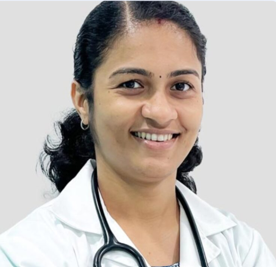 Dr. Shilpa Surian, General Practitioner, WeCARE Medical Center LLCGeneral Practitioner · 3 years · AED 45 · English, Malayalam
 Dr. Ekramulla Mohamed Ali, General Practitioner, Wecare Medical CenterGeneral Practitioner
Doctors are independent. A listing is not a recommendation. Before you book, you can check a doctor's licence in the health authority's public register. See all doctors.
Questions people ask
What blood test shows iron deficiency anaemia?
A full blood count (FBC), also called a complete blood count (CBC), shows whether your red blood cells are low. The doctor may add other tests to find out why.
How long will I need to take iron tablets?
The NHS says usually for about 6 months. Your doctor may repeat blood tests over the following months to check your iron is getting back to normal.
Should I take iron supplements without a test?
It is better to have a test first. Anaemia has several causes besides low iron, and WHO advises taking supplements when a qualified health professional recommends them.
Can heavy periods cause anaemia?
Yes. Heavy periods are one of the most common causes of iron deficiency anaemia. They can be treated, so see a doctor if yours are heavy.
Which foods are high in iron?
Dark green leafy vegetables, fortified cereals and bread, meat, dried fruit such as apricots and raisins, and pulses such as beans and lentils. Vitamin C-rich foods help the body absorb it.
Sources and further reading
- Iron deficiency anaemia (NHS)
- Anaemia (WHO)
- Stomach ulcer (NHS)
- Heart attack (NHS)
Read next
medicAI is not for emergencies. If someone is seriously ill or injured, call 998 or go to the nearest hospital.
This page is general information. It does not replace advice from a doctor who knows your situation. medicAI is a technology platform. Care is given by independent licensed facilities, who are responsible for it and for its outcome.