
In short
- Type 2 diabetes is when the body does not make enough insulin, or the insulin it makes does not work properly, so blood glucose (sugar) runs too high.
- Many people have no symptoms. When they appear, the most common are tiredness, peeing more, constant thirst and losing weight without trying.
- It is diagnosed with a blood test, and the HbA1c test, which shows your average blood glucose, is used to check how well it is controlled.
- Healthy eating, regular activity and losing weight if you need to are the base of treatment, and many people also take medicine.
- If you have diabetes and feel very thirsty, pee a lot, feel confused or very sleepy, or get short of breath, call 998.
Tests you can book
- Lab tests58% off
Diabetics Profile
The Diabetics Profile is a comprehensive blood and urine test panel designed to screen, diagnose, and monitor diabetes and related metabolic disorders. It evaluates key biomarkers such as fasting blood glucose, HbA1c (glycated hemoglobin), postprandial glucose
AED 82.95
View detailsUsual price AED 198.45
What type 2 diabetes is
Insulin is a hormone that helps your body use glucose for energy. In type 2 diabetes the body stops using it properly, so blood glucose climbs and, over time, damages the nerves and blood vessels.
WHO says more than 95% of people with diabetes have type 2. Once called adult-onset diabetes, it now occurs more and more often in children. Unlike type 1 diabetes, it is often preventable.
Symptoms, if there are any
The most common symptoms are:
- Feeling very tired.
- Peeing more than usual.
- Feeling thirsty all the time.
- Losing weight without trying to.
- Blurred vision, cuts that take longer to heal, or itching around the genitals or repeated thrush.
Not everyone gets symptoms. WHO notes they can be mild and take years to be noticed, so some people are only diagnosed after complications have started. Get checked if you are at higher risk, even if you feel well.
Causes and who is more likely to get it
Being overweight, not getting enough exercise and genetics all play a part. The NHS says you may be more at risk if:
- You are white and over 40, or over 25 and from a South Asian, Chinese, Black African or Black Caribbean background.
- A parent, brother or sister has type 2 diabetes.
- You are overweight and not very physically active.
- You have a condition that raises the risk, such as high blood pressure.
Women who had diabetes during pregnancy (gestational diabetes) are also at higher risk of type 2 diabetes later, according to WHO.
How it is diagnosed
Type 2 diabetes is diagnosed with a blood test that measures how high your blood glucose is. Results usually take a few days.
You may be told you have prediabetes: blood glucose higher than normal but not high enough to be diabetes. It raises your future risk, and healthier eating and more exercise can help. Read what the HbA1c test means and how it sits alongside other common blood tests.
How it is usually managed
Lifestyle changes come first, and sometimes they bring blood glucose back to a normal level, which is called remission. NHS advice includes:
- Eat fruit, vegetables, wholegrain foods such as oats and wholemeal bread, and pulses such as chickpeas and lentils.
- Aim for at least 2.5 hours a week of walking or another activity that leaves you out of breath.
- Lose weight if you have been told you are overweight, stop smoking and limit alcohol.
- Do not switch to a very strict low-calorie diet without talking to a health professional, especially if you take insulin or other diabetes medicine.
If you need medicine, a doctor may discuss tablets that help your body handle insulin or let extra sugar pass out in your urine, an injected medicine for some people with heart disease or obesity, or insulin if other medicines are not enough. Your doctor decides what suits you.
Regular checks are part of treatment. The NHS recommends an HbA1c test every 3 to 6 months, foot checks, eye screening, and checks of weight, cholesterol, blood pressure and kidneys at least once a year.
Complications to know about
- Damage to blood vessels, which can lead to heart disease and stroke.
- Foot ulcers and infections, which in some cases lead to amputation.
- Sight problems, including diabetic retinopathy and blindness.
- Kidney problems and gum disease.
See a doctor if you have blisters or cracked skin on your feet, pain, tingling or numbness, or worsening vision. Good blood glucose control and regular check-ups lower the chance of complications.
Living with diabetes in the UAE
Heat. The NHS lists people with long-term conditions such as diabetes among those more at risk of heat exhaustion and heatstroke. Drink more cold drinks, avoid the sun between 11am and 3pm, and learn the warning signs of heat illness.
Fasting in Ramadan. Diabetes UK explains that people who are ill or have a medical condition do not have to fast, and this can include diabetes. If you plan to fast, talk to your doctor first: your risk depends on your HbA1c, any complications and whether your medicines, such as insulin, can cause low blood sugar. Diabetes UK advises checking your blood sugar more often, notes that checking does not break the fast, and says you must break the fast if your blood sugar drops below 4 mmol/l or rises above the level your doctor has given you.
When to see a doctor, and when to call 998
Call 998 or go to the nearest emergency department if you have type 2 diabetes and are peeing a lot, feel very thirsty, feel sick, feel confused, very sleepy or drowsy, or get short of breath. These can be signs of hyperosmolar hyperglycaemic state (HHS) or diabetic ketoacidosis (DKA), which can be life threatening. Do not drive yourself.
Get an urgent appointment if you take diabetes medicine and have vomiting, diarrhoea or a very high temperature. Do not stop your medicine unless a doctor tells you to. Book a routine appointment if you think you might have diabetes or you are in a higher-risk group.
General practitioners, family medicine and internal medicine doctors on medicAI work at independent facilities licensed by DHA or DoH. A video call suits going through results, while foot and eye checks happen in person.
Doctors you can book for type 2 diabetes
 Dr Anju Begum, General Practitioner, uniCare Medical CenterGeneral Practitioner · 10 years · Hindi, Urdu, English
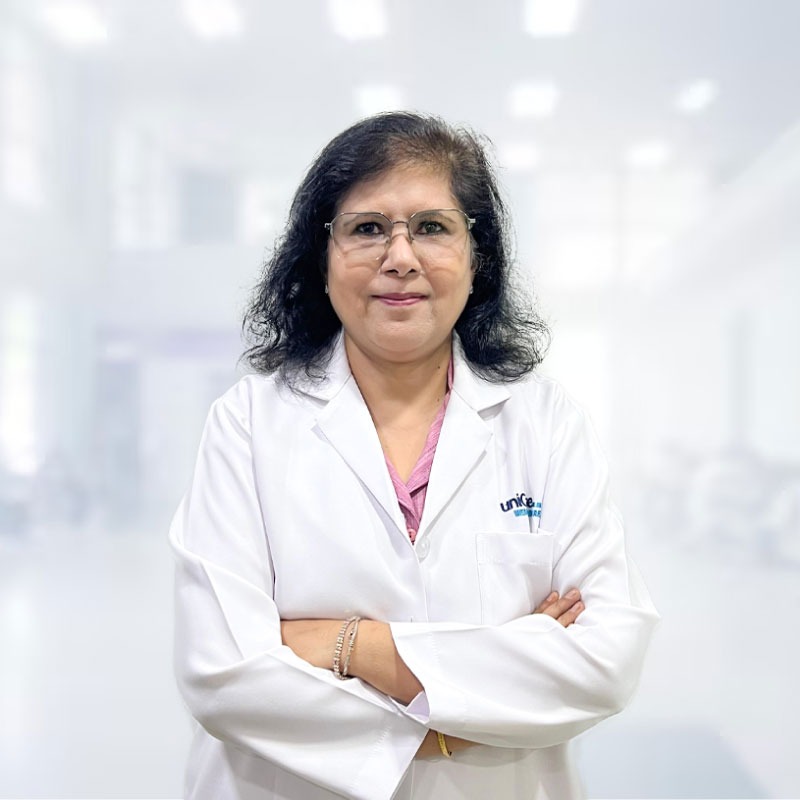 Dr. Leena KapoorGeneral Practitioner · 28 years · AED 25 · Hindi, Urdu, English
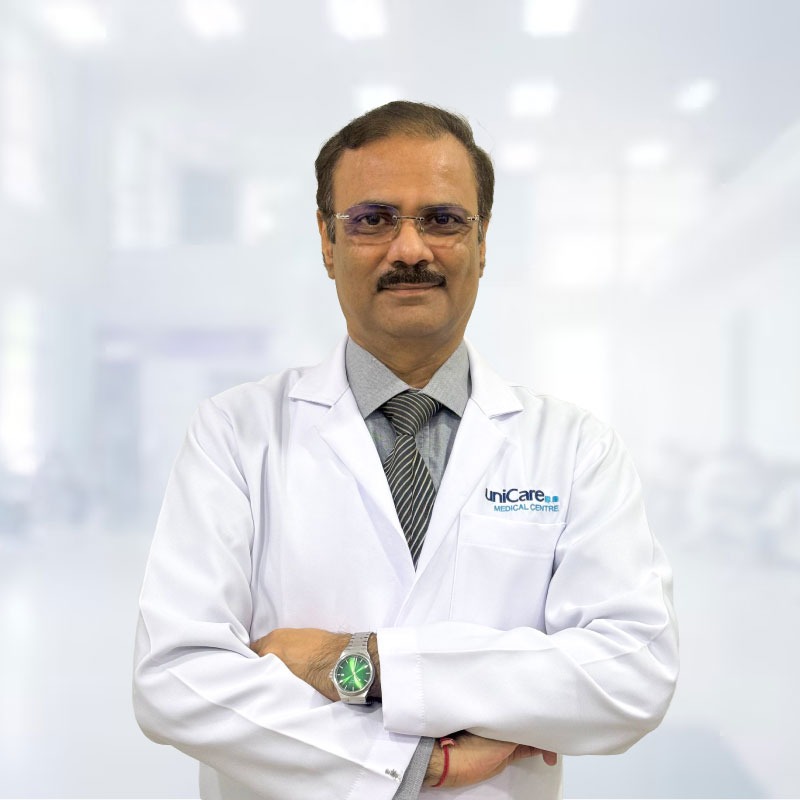 Dr. Tarun ShuklaGeneral Practitioner · 35 years
 Dr. Dany RajakumarGeneral Practitioner · 5 years
 Dr. Shilpa Surian, General Practitioner, WeCARE Medical Center LLCGeneral Practitioner · 3 years · AED 45 · English, Malayalam
 Dr. Ekramulla Mohamed Ali, General Practitioner, Wecare Medical CenterGeneral Practitioner
Doctors are independent. A listing is not a recommendation. Before you book, you can check a doctor's licence in the health authority's public register. See all doctors.
Questions people ask
Can type 2 diabetes go away?
The NHS says lifestyle changes such as losing weight and improving your diet can sometimes lower blood glucose to a normal level, which is called remission. You still need regular check-ups, and not everyone reaches remission.
Can you have type 2 diabetes without symptoms?
Yes. Not everyone gets symptoms, and WHO notes they can be mild and take years to notice. A blood test is the only way to know.
What is prediabetes?
Prediabetes means your blood glucose is higher than normal but not high enough to be called diabetes. It raises your risk of type 2 diabetes, and healthier eating and more exercise can help prevent it.
Is it safe to fast in Ramadan with type 2 diabetes?
It depends on your blood glucose control, your medicines and any complications. Diabetes UK advises talking to your healthcare team before deciding, and breaking the fast if your blood sugar goes too low or too high.
How often should HbA1c be checked?
The NHS recommends an HbA1c test every 3 to 6 months for people with type 2 diabetes. Your doctor may suggest a different interval depending on how well controlled it is.
Sources and further reading
- Symptoms of type 2 diabetes and how it’s diagnosed (NHS)
- Treatment for type 2 diabetes (NHS)
- Complications of type 2 diabetes (NHS)
- Diabetes (WHO)
- Diabetes and Ramadan (Diabetes UK)
- Heat exhaustion and heatstroke (NHS)
Read next
medicAI is not for emergencies. If someone is seriously ill or injured, call 998 or go to the nearest hospital.
This page is general information. It does not replace advice from a doctor who knows your situation. medicAI is a technology platform. Care is given by independent licensed facilities, who are responsible for it and for its outcome.